
Why fire-protection systems benefit from HDPE
Steel and ductile-iron fire mains corrode internally, reducing flow capacity by 30–50% within 20 years. When you need a 750 gpm hydrant flow during an incident and only get 400 gpm, the fire department's tactic options collapse. Sandy / chloride-rich coastal soils accelerate the corrosion further.
Why HDPE wins on fire suppression
HDPE retains 100% of design flow for 100 years — no internal scale, no tuberculation, no corrosion. Heat-fused joints don't leak under pressure surge. The AWWA C906 standard specifies PE100 with a hydrostatic design basis (HDB) equivalent to ANSI/AWWA pressure pipe, so designers and fire marshals get a familiar regulatory framework. Compatible with cast-iron hydrant tees and existing standpipe systems via flanged transition spools.
Typical fire-protection specifications
| Material grade | PE100 / PE4710 to AWWA C906 |
| Diameter range | DN100 – DN1600 mm (4" – 65") |
| Pressure class | DR9 (200 psi) to DR21 (80 psi) |
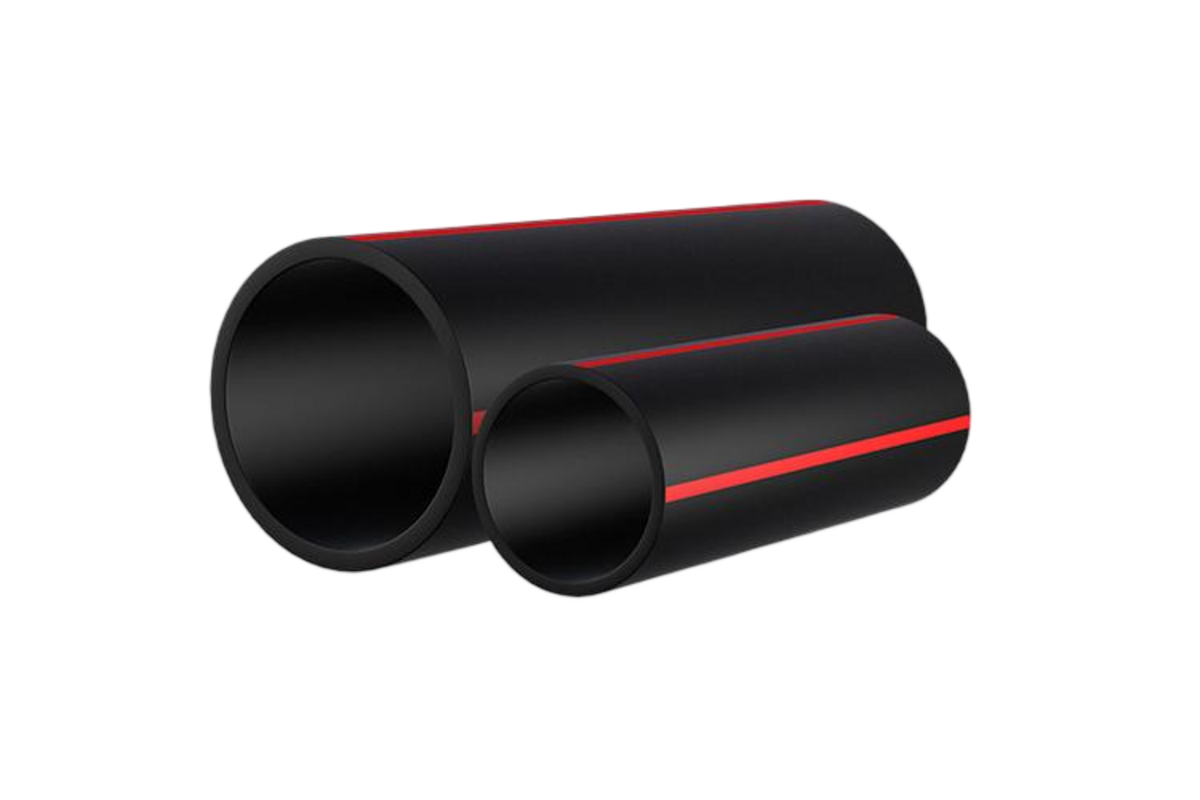
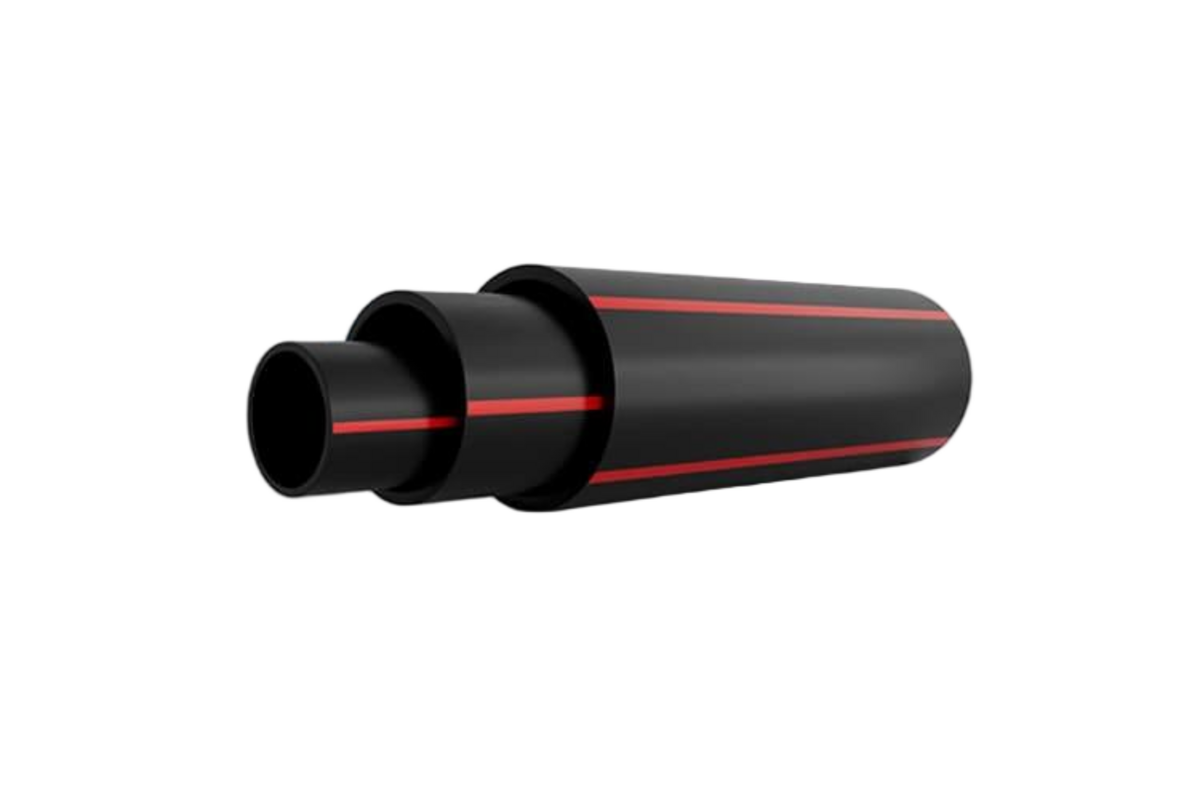
| Colour | Black with 4 longitudinal red stripes |
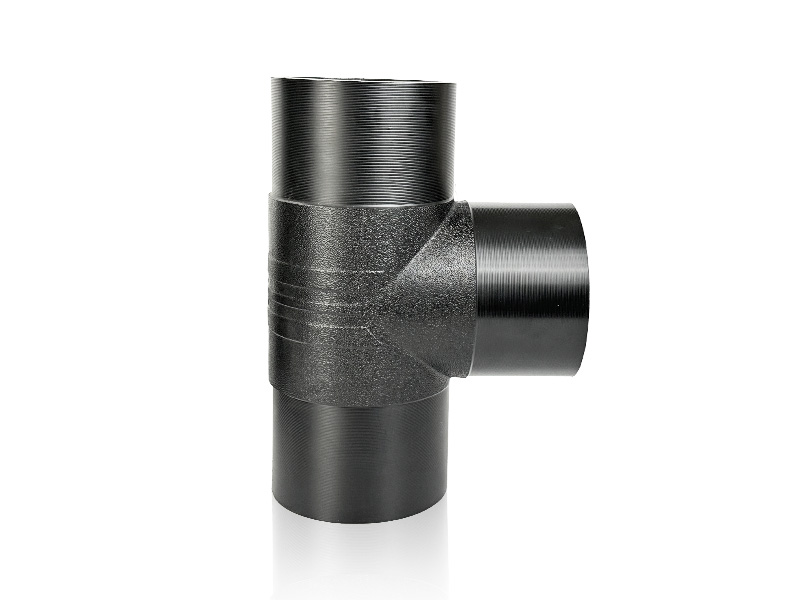
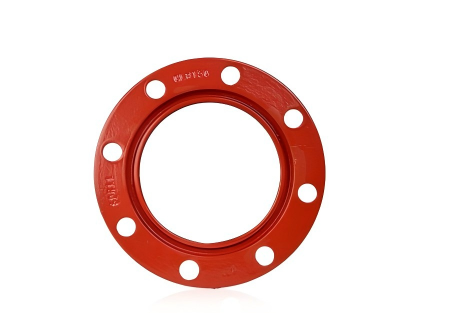
| Joining | Butt fusion, flanged transitions to ductile-iron hydrants |
| Certifications | AWWA C906, NSF 61 (potable-water mains), FM Approval available |
Recommended Primepoly products
Fire-protection project case studies
Quote your fire-main retrofit
Send route length, DN, design pressure, hydrant count and AHJ approval requirements to sales@primepolypipes.com — our fire-system engineers respond within one working day with grade, SDR, fittings BOM and indicative pricing.