
Why gas utilities standardised on HDPE
Cast-iron and steel gas mains corrode, develop hairline leaks, and require costly cathodic protection. A leaking gas main is a public-safety incident — every utility is under pressure to retire metallic gas pipe. The replacement of choice across Europe, North America and increasingly Asia / Africa is HDPE PE100 with electrofusion jointing.
Why HDPE wins on gas distribution
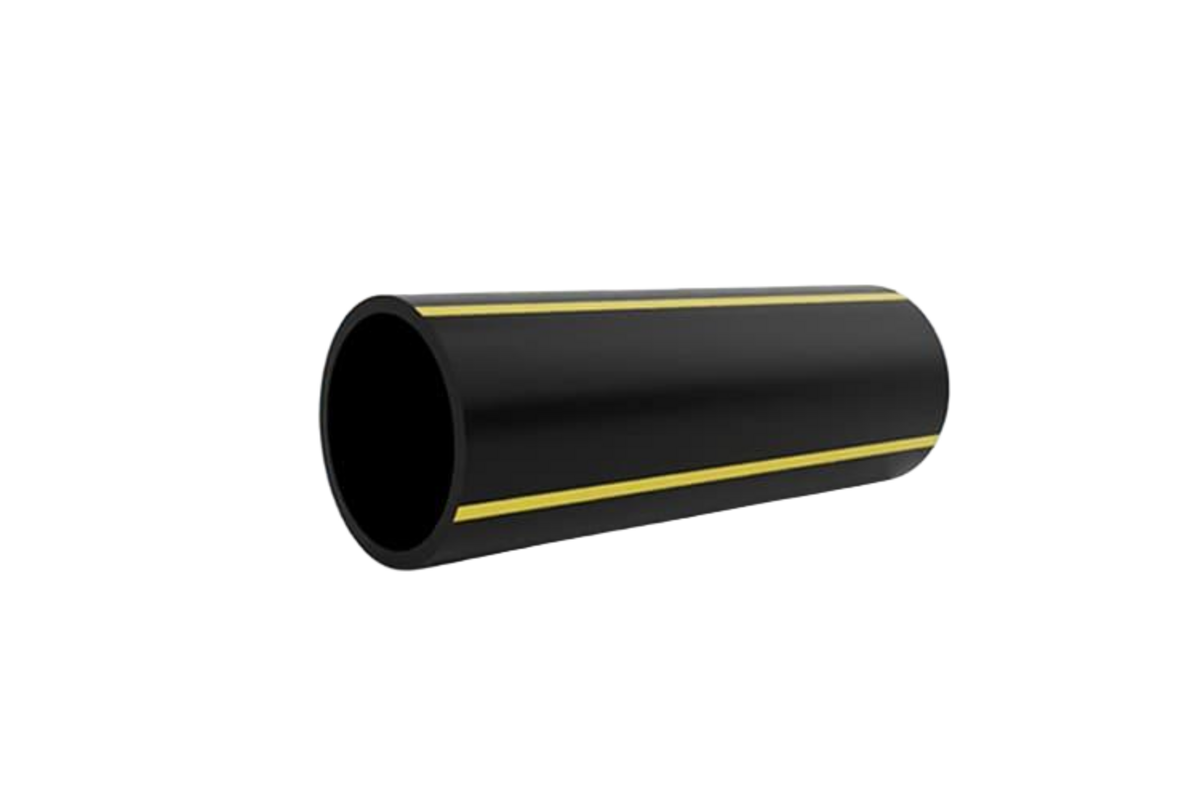
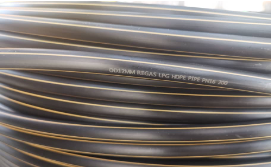
HDPE is non-corroding (no cathodic protection budget), inherently leak-tight after electrofusion welding (joint is monolithic with the parent pipe), and pipe-burstable in place — operators can replace dying cast-iron mains by pulling new PE through the old in 50–300 m sections without trenching the street. The yellow outer layer is the international gas-identifier so contractors immediately recognise it during excavation.
Typical gas-pipe specifications
| Material grade | PE80 (legacy) / PE100 (current standard) |
| Standards | ISO 4437, EN 1555, GB 15558, AS 4130 |
| Diameter range | DN20 – DN630 mm |
| Pressure class | Up to 10 bar at 20 °C for PE100 |
| Colour | Yellow or black with yellow longitudinal stripe |
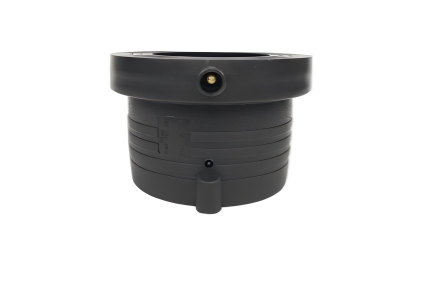
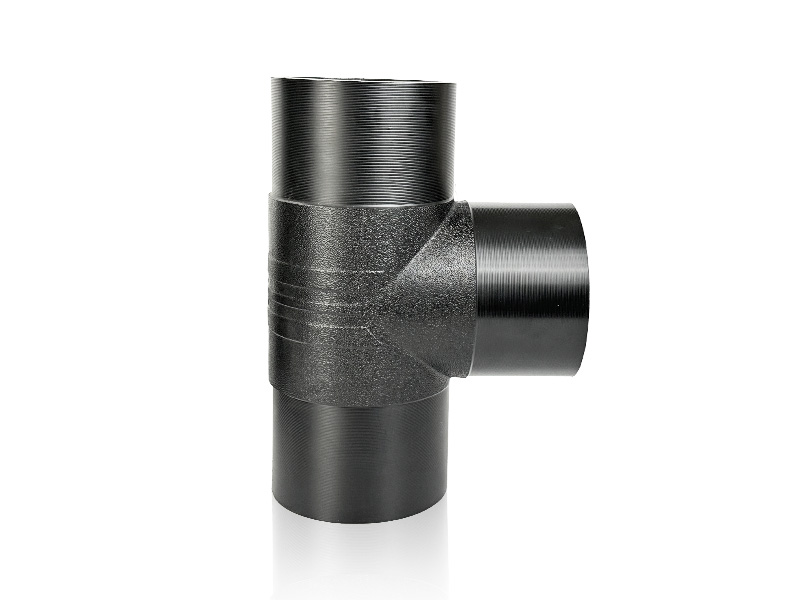
| Joining | Electrofusion (mandatory under most regulators); butt fusion ≥ DN90 |
Recommended Primepoly products
Gas-distribution project case studies
Quote your gas distribution network
Send DN, design pressure, network length and EF-fitting count to sales@primepolypipes.com — our gas-pipeline engineers respond within one working day with recommended grade, SDR and welding-procedure documentation.