
Why irrigation projects pick HDPE / PVC over steel
Steel pipe rusts within 3–5 years under irrigation duty (chlorinated water, fertiliser injection, ground heave from wet–dry cycles). PVC is cheap but brittle to point loads and UV-degrades above ground. The right mix uses HDPE for trunk mains and buried sub-mains, PVC for cheap secondary distribution, and PP compression fittings for fast field assembly.
Why HDPE + PVC wins on irrigation
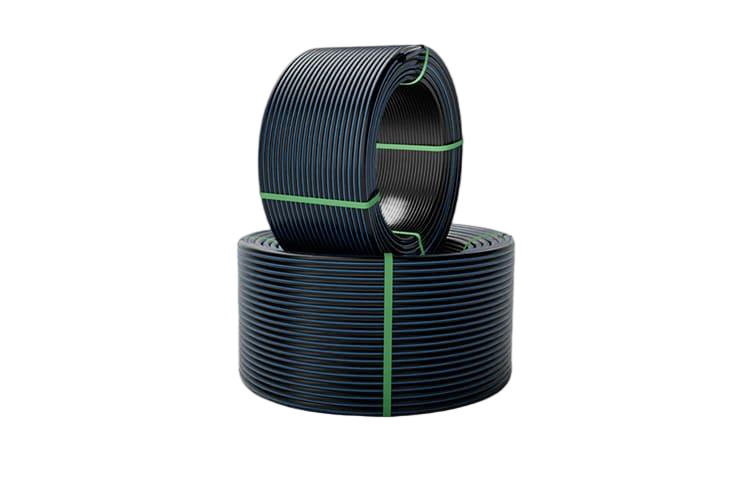
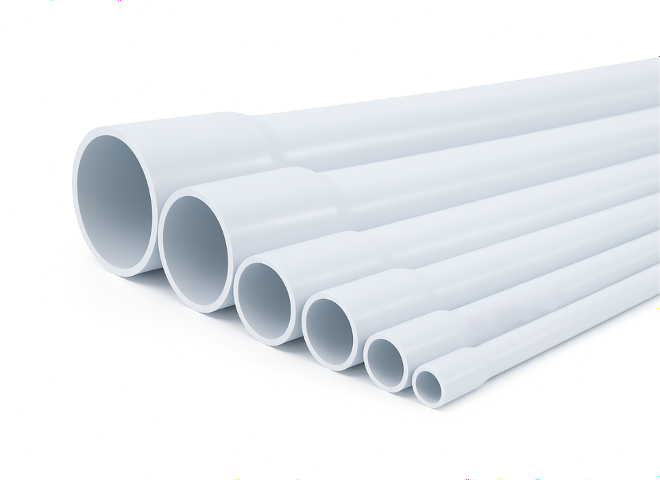
HDPE PE100 in 100/150/200 m coils dramatically reduces field joint count vs steel sticks — a 1 km drip lateral installs in 1–2 days instead of 5–7. PVC sub-mains cost 40–60% less than HDPE for above-ground or in-shed runs where UV/temperature isn't an issue. PP compression fittings let field crews repair without a welder. The combination gives the lowest installed cost per hectare irrigated.
Typical irrigation specifications
| Material grades | PE100 (HDPE), PVC-U, PP for fittings |
| Diameter range | DN16 (drip) – DN630 (farm main) |
| Pressure class | PN6 – PN16; drip lateral typically PN4 |
| Supply form | Coils 100/150/200 m; straight sticks 6 m / 12 m |
| UV protection | Black HDPE with carbon-black UV stabiliser |
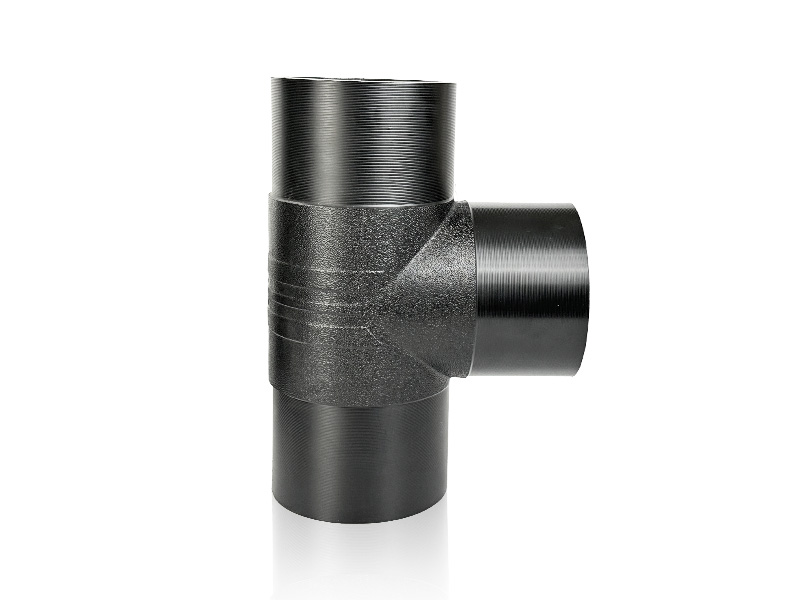
| Joining | Butt fusion (HDPE), solvent-weld (PVC), compression (PP) |
Recommended Primepoly products
Irrigation project case studies
Cost your irrigation network
Send area to irrigate, water source, head, crop type and INCOTERMS to sales@primepolypipes.com — our irrigation engineers respond within one working day with a system layout, BOM and per-hectare pricing.